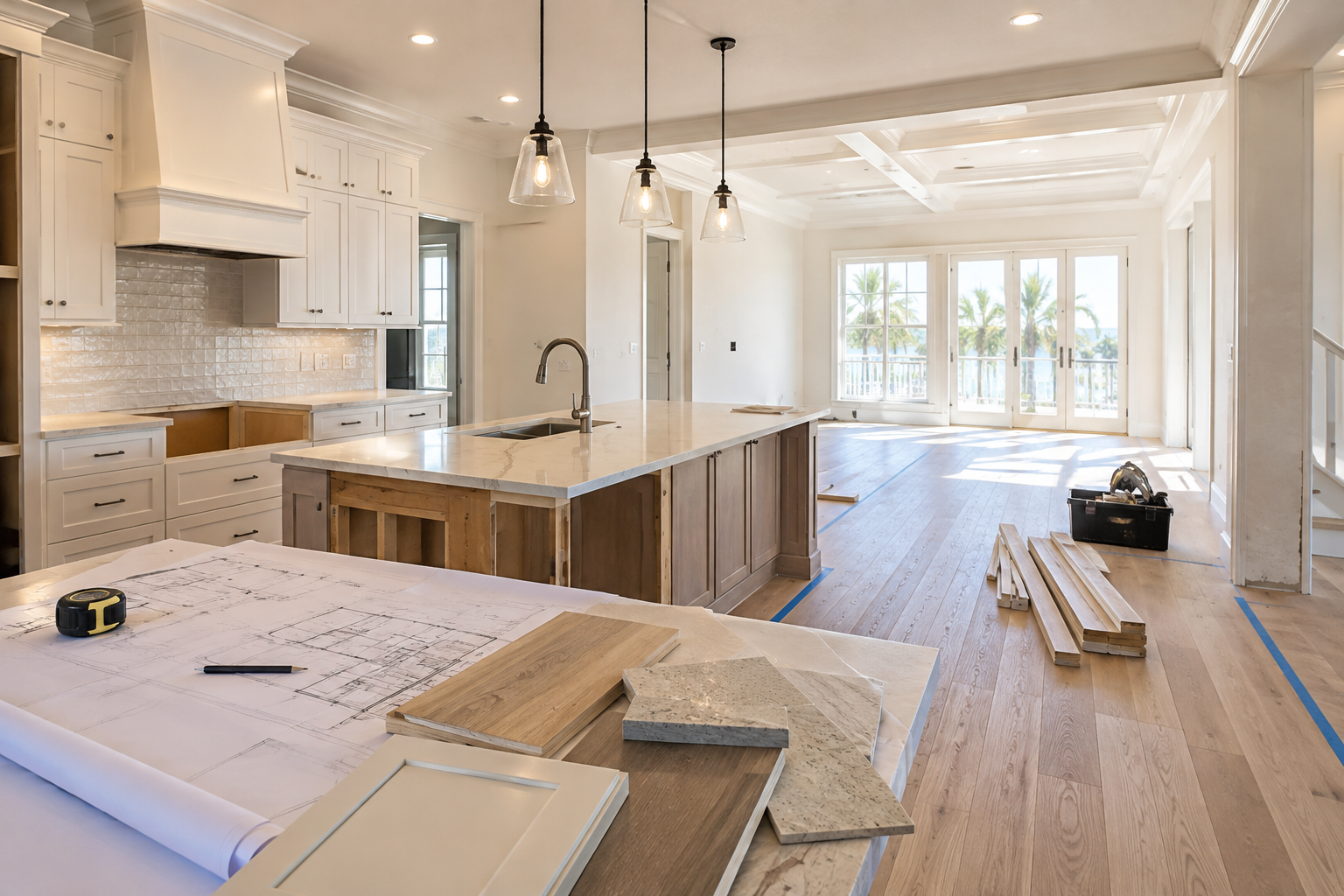
A successful renovation rarely comes down to luck. It comes down to planning, the kind that happens well before any demolition starts. Whether you’re updating a single room or taking on a whole house project, home remodelling in Fernandina Beach, FL comes with its own set of local considerations that can make or break how smoothly your renovation actually goes.
Here’s how to approach planning a home renovation the right way, from setting priorities to accounting for the specific factors that matter in this area.
Start With Clear Goals, Not Just Ideas
It’s easy to gather inspiration photos and get excited about individual features, a new island, updated flooring, a spa style bathroom. But a successful renovation starts with clarity on the bigger picture: what problem are you actually trying to solve?
Are you renovating to improve daily functionality, to increase resale value, to accommodate a growing family, or simply because certain areas of the home feel outdated? Getting clear on your core motivation helps guide every decision that follows, from budget priorities to which rooms get tackled first.
Set a Realistic Budget, With Room for the Unexpected
One of the most common renovation mistakes is setting a budget based purely on the visible, expected costs, materials, labor, fixtures, without leaving room for the unexpected. This becomes especially relevant with older Fernandina Beach homes, where opening up walls or flooring can sometimes reveal outdated wiring, plumbing issues, or structural surprises that weren’t part of the original plan.
A general rule of thumb many contractors recommend is setting aside an additional ten to twenty percent of your budget specifically for unforeseen issues, rather than assuming everything will go exactly according to plan.
Account for Fernandina Beach’s Coastal Climate
Renovating in a coastal environment means thinking beyond just style and layout. Humidity, salt air, and moisture exposure all affect which materials will actually hold up well over time. This matters for flooring, cabinetry, exterior finishes, and even paint choices, since materials that perform well in drier inland climates don’t always hold up the same way here.
A contractor familiar with coastal renovation projects should be able to guide these decisions, helping you choose materials that balance aesthetics with long term durability specific to this environment.
Understand Local Permitting Requirements Early
Depending on the scope of your renovation, permits may be required through the City of Fernandina Beach or Nassau County, particularly for projects involving structural changes, electrical work, or plumbing. Skipping this step, even unintentionally, can create serious complications later, especially if you ever sell the home and unpermitted work comes up during inspection.
Bringing this up early with your contractor, rather than after work has already started, helps avoid delays and ensures the project stays fully compliant from the beginning.
Prioritize Projects if You Can’t Do Everything at Once
Not every renovation needs to happen in one large phase. If budget or timeline constraints make a full renovation impractical right now, prioritizing which projects matter most can still move you meaningfully closer to your overall vision. Common approaches include:
- Starting with the most heavily used spaces, like the kitchen or primary bathroom
- Addressing any underlying structural, electrical, or plumbing issues first, even if they’re less visually exciting
- Saving more cosmetic updates, like finishes or landscaping, for a later phase
This kind of phased approach can make a larger renovation more financially manageable without sacrificing the overall goal.
Choose a Contractor with Local Experience
Working with a contractor who has direct experience renovating homes in Fernandina Beach specifically brings real advantages. They’ll already understand the area’s older home quirks, coastal material considerations, and local permitting process, which often translates into fewer surprises and a smoother renovation overall compared to working with someone unfamiliar with the region.
Set Realistic Expectations for Timeline
Renovation timelines depend heavily on scope, but it’s worth building in some flexibility rather than assuming everything will finish exactly on schedule. Material delivery delays, permitting timelines, and unexpected findings once work begins can all shift the schedule, even with a well-planned project.
Final Thoughts
A successful home renovation in Fernandina Beach comes down to thoughtful planning before the first hammer swings, clear goals, a realistic budget with room for surprises, and an understanding of how the local climate and permitting process affect the project. Taking the time to plan properly upfront makes for a smoother renovation and a result that actually holds up well in this coastal environment.
If you’re ready to start planning your next renovation, Florida Mud Masters offers home remodelling services built around the specific needs of Fernandina Beach homes.
Frequently Asked Questions
1. How much should I budget for a home renovation in Fernandina Beach?
Costs vary widely depending on the scope of the project, so it’s best to get a detailed estimate from a local contractor rather than relying on general national averages, which often don’t reflect regional material and labor costs.
2. How long does a typical home renovation take?
Timelines depend on the size and complexity of the project, but most single room renovations take a few weeks to a couple of months, while larger, whole home projects can take several months from planning to completion.
3. Do all home renovations require a permit?
Not always, but many do, particularly those involving structural, electrical, or plumbing changes. A local contractor can help determine what’s required for your specific project.
4. Should I renovate my whole home at once or do it in phases?
This depends on your budget and priorities. A phased approach can make a larger renovation more manageable financially, while a full renovation may minimize disruption by completing everything in one continuous process.
5. Why does coastal climate matter for material choices in a renovation?
Humidity and salt air exposure can affect how certain materials hold up over time, which is why materials well suited to drier inland climates aren’t always the best choice for a coastal home like those in Fernandina Beach.